Traveling by train is convenient in the Ikebukuro area. Here we will introduce you to the proper etiquette for riding trains in Japan.
1.Major premise
1-1. Don’t bring large luggage onto the train

Public transportation, such as trains, is generally intended for short-distance travel.
If you’re carrying a lot of large luggage (such as multiple suitcases), choose a taxi instead of the train.
1-2. Even if prohibited items aren’t clearly stated, there are still some things you shouldn’t do

Japan is a culture of “It goes without saying.” There are almost no signs on trains saying things like “no eating,” “no drinking,” or “no loud noises,” but that doesn’t mean “anything goes.” There’s no need to post warning signs because no Japanese people would do something without a warning sign.
Even if there aren’t warning signs, pay attention to what the locals are doing.
1-3.When in Japan, do as the locals do

A culture that Japanese people cherish is “When in Japan, do as the locals do.” Set aside your everyday life and pay attention to how the locals are behaving. Read their signs. Interesting, right? Since you’ve come all the way to Japan, respect Japanese culture.
2.Pay the fare and Buy tickets

There are two main ways to get to the train in the Ikebukuro area.
2-1. Tap and Go with an IC Card

Instead of buying a new ticket for every trip, get a prepaid IC card like Suica or Pasmo. You can buy these at major stations. Simply touch the card to the ticket gate when you enter and exit.

This is much faster and more convenient.
One of the recommended IC cards is “Welcome Suica.”
“Welcome Suica” is e-money that can be used for travel and shopping and is recommended for temporary visitors!
It can be used for 28 days beginning with the date of purchase.
There is no need for the 500 yen deposit required for regular “Suica”. Unless you are a fan of Suica penguins, I recommend “Welcome Suica”.
By the way, in Japan, depositing money is called “charge(チャージ)” not “Top Up,” so keep that in mind.
>Welcome Suica
※You can buy “Welcome Suica” at Narit Airport, Haneda Airport, JR EAST Travel Service Center in Ikebukuro.
>Welcome Suica Mobile(iPhone/Apple Watch)
2-2.【Souvenir】Buy a ticket

Buy a paper ticket from the ticket machine.

Check the route map above the machine, check the fare, and purchase your ticket.
When you get off the train, show your ticket to the attendant at the ticket gate. They will stamp your ticket and you can take it home.
3. Manners on the train near Ikebukuro

In Japan, there are often no “prohibited items” posted inside the vehicle.This is not because there are no “prohibited items,” but because no one would do the “prohibited items” even if they were not posted.Even without being told, observing the invisible rules of etiquette is considered to be a sign of good behavior. When you come to Japan, behave like a Japanese person.
3-1.Keep your voice down

Talking loudly on the phone or having a loud conversation is considered rude, especially during rush hour. Most people are quiet or even sleeping.
3-2.Sit Politely

Avoid spreading out or taking up more than one seat. If the train is crowded, take off your backpack and hold it in front of you to save space.
3-3.Wait Your Turn

Lines form on the platform where the train doors will open. Let passengers get off the train completely before you try to get on.
3-4. Don’t eat or drink on the train

In general, avoid eating or drinking on the train, especially on local and commuter lines. Only hydration is acceptable.It’s perfectly fine to eat on long-distance trains like the Shinkansen (bullet train), where seats have trays.
3-5. Give up your priority seat

Some seats are designated as “Priority Seats” (優先席). These are for the elderly, pregnant women, people with disabilities, or those with small children. Only sit here if the train is empty, and be prepared to give up your seat if someone who needs it gets on.
4-1.Follow the Signs

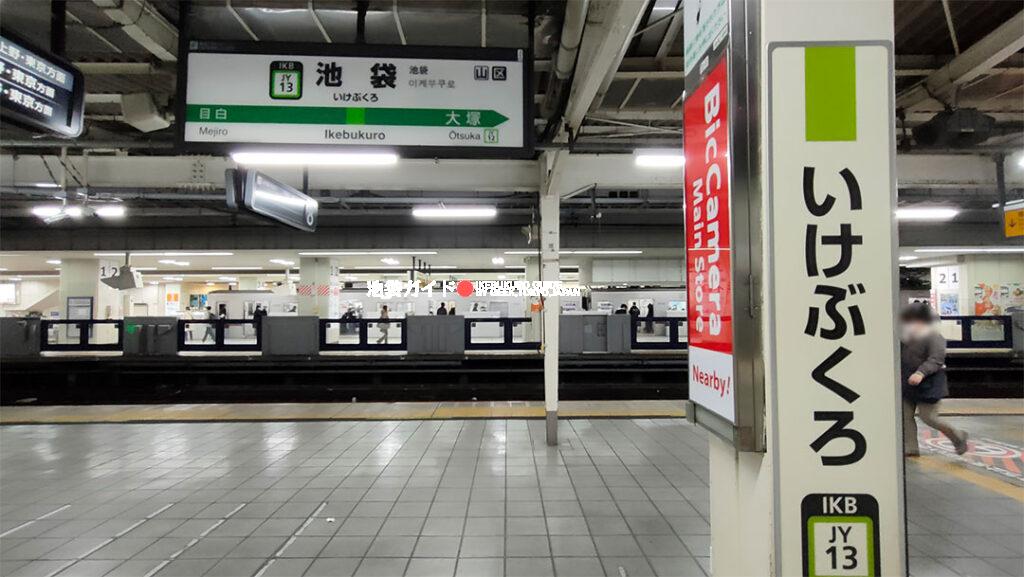
Signs are usually in both Japanese and English. Look for the line name, direction, and platform number.
Please also refer to pictograms (絵文字:emoji/picture character), which are said to have originated in Japan.
4-2.Use the Apps

Apps like Google Maps or Japan Transit Planner (Navitime) are excellent for finding the right train, platform, and fare. They are often more reliable than station maps.
Japan is a culture of “It goes without saying.” There are almost no signs on trains saying things like “no eating,” “no drinking,” or “no loud noises,” but that doesn’t mean “anything goes.” There’s no need to post warning signs because no Japanese people would do something without a warning sign.
Even if there aren’t warning signs, pay attention to what the locals are doing.
A culture that Japanese people cherish is “When in Japan, do as the locals do.” Set aside your everyday life and pay attention to how the locals are behaving. Read their signs. Interesting, right? Since you’ve come all the way to Japan, respect Japanese culture.
There are two main ways to get to the train in the Ikebukuro area.
Instead of buying a new ticket for every trip, get a prepaid IC card like Suica or Pasmo. You can buy these at major stations. Simply touch the card to the ticket gate when you enter and exit.
This is much faster and more convenient.
“Welcome Suica” is e-money that can be used for travel and shopping and is recommended for temporary visitors!
It can be used for 28 days beginning with the date of purchase.
※You can buy “Welcome Suica” at Narit Airport, Haneda Airport, JR EAST Travel Service Center in Ikebukuro.
Buy a paper ticket from the ticket machine.
Check the route map above the machine, check the fare, and purchase your ticket.
When you get off the train, show your ticket to the attendant at the ticket gate. They will stamp your ticket and you can take it home.
In Japan, there are often no “prohibited items” posted inside the vehicle.This is not because there are no “prohibited items,” but because no one would do the “prohibited items” even if they were not posted.Even without being told, observing the invisible rules of etiquette is considered to be a sign of good behavior. When you come to Japan, behave like a Japanese person.
Talking loudly on the phone or having a loud conversation is considered rude, especially during rush hour. Most people are quiet or even sleeping.
Avoid spreading out or taking up more than one seat. If the train is crowded, take off your backpack and hold it in front of you to save space.
Lines form on the platform where the train doors will open. Let passengers get off the train completely before you try to get on.
In general, avoid eating or drinking on the train, especially on local and commuter lines. Only hydration is acceptable.It’s perfectly fine to eat on long-distance trains like the Shinkansen (bullet train), where seats have trays.
Some seats are designated as “Priority Seats” (優先席). These are for the elderly, pregnant women, people with disabilities, or those with small children. Only sit here if the train is empty, and be prepared to give up your seat if someone who needs it gets on.
Signs are usually in both Japanese and English. Look for the line name, direction, and platform number.
Please also refer to pictograms (絵文字:emoji/picture character), which are said to have originated in Japan.
Apps like Google Maps or Japan Transit Planner (Navitime) are excellent for finding the right train, platform, and fare. They are often more reliable than station maps.